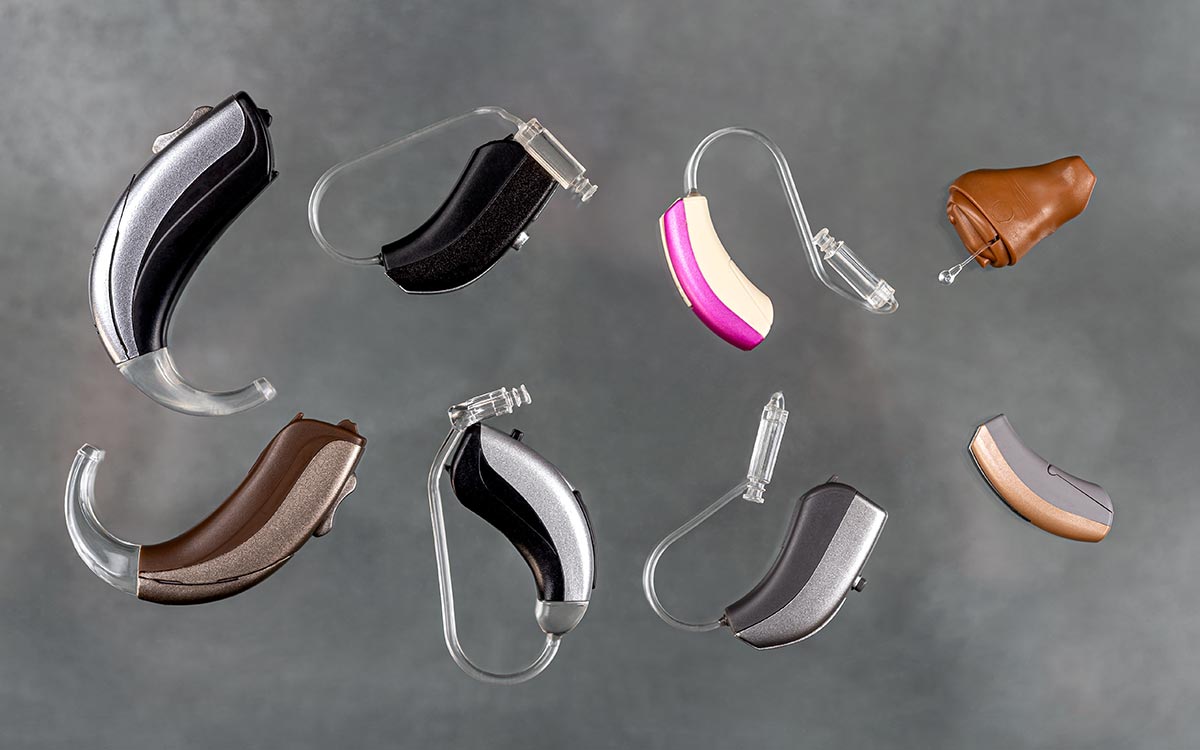
Choosing the right hearing aid can be an arduous task, given the vast array of styles, sizes, and technological features available in modern devices. But no matter your needs, there’s a hearing solution for every lifestyle, preference, and degree of hearing loss. Success lies in locating the specific aid that meets your personal preferences.
By learning about the differences between various hearing aid models, you can move forward with greater confidence and knowledge. This guide examines the most popular styles and highlights the specific advantages each one offers.
ITC (In-the-Canal) Hearing Solutions
The Definition:
These hearing aids are placed partially inside the canal, making them visible only slightly from the outside.
The Advantages:
- Provides an understated look compared to traditional styles
- Individualized shaping ensures long-term wearing comfort
- Works effectively for individuals experiencing mild hearing challenges
ITC devices offer a good balance between visibility and functionality, making them a popular choice for first-time users.
Ultra-Discreet Invisible-in-Canal (IIC) Aids
The Concept:
These are the smallest custom-made devices on the market today. This style rests deep in the ear for a completely covert appearance.
Primary Incentives:
- Maximum aesthetic discretion
- Provides authentic sound because of where the device sits
- Lightweight and comfortable
Due to their small stature, these aids are generally recommended for low-to-mid-range hearing loss and users who want total invisibility.
Understanding In-the-Ear (ITE) Devices
Product Information:
ITE devices are constructed to stay in the outer ear area, offering two different shell sizes based on your anatomy. The shell is specially formed to the specific contours of your individual ear.
Value Offering:
- A slightly larger frame accommodates advanced tech and more powerful batteries
- Great for seniors who find smaller devices hard to manipulate
- An adaptable choice that can address even significant levels of hearing loss
The all-in-one nature of the ITE design makes it an ideal choice for those who dislike behind-the-ear equipment.
Traditional BTE Models
Operation:
These devices rest on the external ridge of the ear’s anatomy. Sound travels into the ear canal through an internal tube or custom earmold.
Common Motivations:
- Known for remaining remarkably adaptable and robust
- Effective for almost every level of hearing impairment
- Offer room for advanced features and rechargeable batteries
If you require a robust hearing aid that is simple to operate and offers high-power output, the BTE style is ideal.
RIC (Receiver-in-Canal) Overview
What they represent:
While they match BTE units, RIC aids set the speaker directly in the canal for improved sound delivery.
Why they are popular:
- Known for creating some of the most authentic audio in the industry
- Offers an incredibly low-profile look that is comfortable for almost everyone
- A versatile solution that works for various degrees of auditory needs
The combination of design and high-end performance renders RIC models a top choice in the modern market.
Extended-Wear Device Facts
Usage Summary:
These devices are placed far in the ear canal by a hearing professional and can stay in place for several weeks at a time.
Why individuals choose them:
- No daily insertion or removal
- Nearly invisible
- You can move about your whole life—including sports and rest—while wearing them
For an autonomous approach to hearing assistance, extended-wear technology is the top recommendation.
Smart Hearing Aids with Bluetooth
Functionality:
Bluetooth-ready hearing aids enable an electronic bridge between your hearing technology and your smart devices.
Modern Perks:
- Turn your hearing aids into cordless earphones for all your favorite audio
- Allows for quick, discreet adjustments to your hearing aids through digital software
- Provides the ultimate in convenience for people who use smartphones regularly
You can locate Bluetooth capabilities built into a variety of form factors, from RIC and BTE to custom ITC designs.
Middle-Ear Implants
Procedure Info:
This technology involves a surgical procedure to place a device that physically stimulates the bones of the middle ear.
Why implants are utilized:
- A viable route for patients who are unable to wear standard acoustic devices
- Solves the issue of ear discomfort caused by regular hearing aids
A complete consultation with an ENT professional is necessary before considering a middle-ear implant.
Your Path to Improved Sound
There is no single “ideal” hearing aid; rather, there is an optimal one for you, determined by your medical needs and personal comfort. An expert care professional can lead you through your options, answer questions, and help you experience how different devices look and feel.
Take the initiative for your hearing health by booking a professional evaluation today. It’s a great first move toward better hearing and more confident communication every day.
Sources:
https://www.mayoclinic.org/diseases-conditions/hearing-loss/in-depth/hearing-aids/art-
20044116
https://www.hearinglife.com/hearing-aids/types
https://www.nidcd.nih.gov/health/hearing-aids